



































































































































































































































































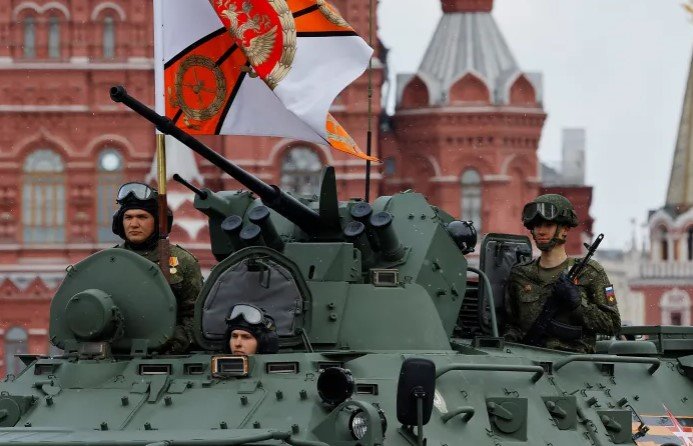
Moscow and Kyiv have both announced separate, non-overlapping ceasefires, which is a complicated show of diplomatic brinkmanship that shows how deep the mistrust is that still defines the conflict. On May 4, 2026, Russia announced a one-sided “Victory Day” truce for May 8–9, supposedly to remember the 81st anniversary of the defeat of Nazi Germany. However, the Kremlin also gave Ukraine a scary ultimatum: if they tried to “disrupt” the holiday celebrations, which include a smaller military parade in Red Square, there would be a “massive missile strike” on the center of Kyiv. Russian officials even told foreign diplomats and civilians to leave the Ukrainian capital before the deadline, making the pause seem less like a peace gesture and more like a way to protect their national celebrations.
President Volodymyr Zelenskyy called the Russian timeline “not serious” and came up with his own “silence regime,” which started at midnight on May 5. Zelenskyy said that a ceasefire just to protect a Russian parade is a pointless PR stunt, stressing that “human life is more valuable than any anniversary.” Kyiv has taken control of the story by starting a truce three days before Moscow. This forces the Kremlin to follow its “mirror principle” of restraint right away instead of waiting for its own holiday. The US has mostly turned its attention to the growing crisis in the Middle East, but these competing ceasefires show that there is a stalemate where even a temporary halt to hostilities is used as a tactical weapon in a larger psychological war. Both sides have promised to respond “reciprocally” to any provocation, so the front lines will be in a dangerous state of uncertainty for the next week.