

















































































































































































































































































Scientists from the Centre for Earth Sciences and Himalayan Studies (CESHS), Government of Arunachal Pradesh, presented important research on climate-related risks facing dams and hydropower projects in the Himalayan region at an international conference held in New Delhi on January 29 and 30.
The research was presented at the International Conference on Climate-Resilient Dams and Hydropower Infrastructure, which brought together experts, engineers, policymakers and scientists from across India and abroad to discuss growing climate threats to large infrastructure projects.
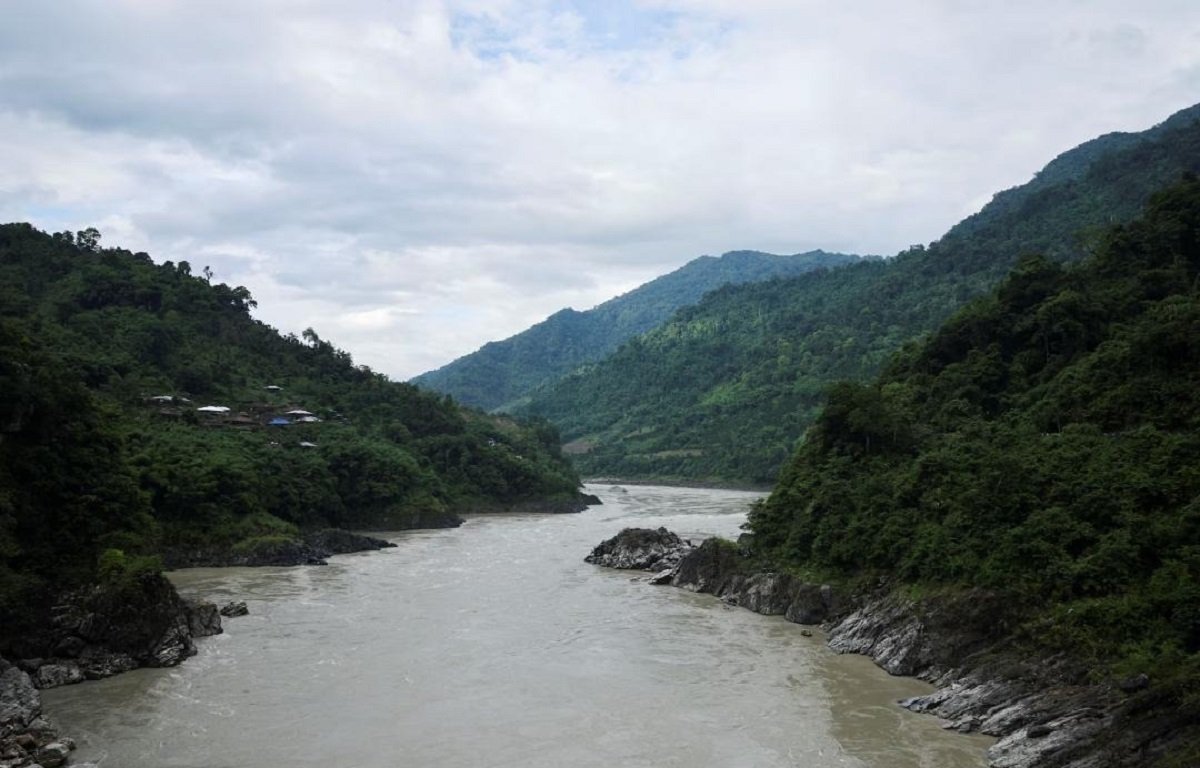
CESHS scientists Dr. Laxmi Linggi and Dr. P. C. Vanlalnunchhani focused their presentation on the dangers posed by glacial lake outburst floods (GLOFs) and other climate-driven hazards in the Eastern Himalaya. They said the region is highly fragile and faces increasing risks due to rising temperatures, melting glaciers, and extreme weather events.
Their research paper, titled “Implications of Cascading Hazards and GLOF Risks on Infrastructure in the Eastern Himalaya”, explained how sudden releases of water from glacial lakes can cause severe damage to dams, hydropower stations, roads and downstream settlements. The scientists stressed that many existing projects were not designed keeping such rapidly changing climate conditions in mind.
The researchers highlighted the urgent need for stronger monitoring systems in high-altitude areas, especially around glacial lakes. They also called for the installation of reliable early warning systems so that authorities and communities can respond quickly in case of a flood or related disaster.
In addition, the CESHS team recommended risk-informed planning for future dams and hydropower projects. They said decisions on infrastructure development must be based on scientific assessments of climate hazards rather than past weather patterns alone.
The scientists also spoke about the importance of adopting an integrated source-to-sink approach. This includes studying glaciers and snow systems, analysing extreme rainfall events, and using hazard modelling to understand how risks travel from mountain sources to downstream areas.
They invited collaboration from national and international experts working on GLOF and flood risk management, saying joint research and data sharing would help develop stronger and more proactive disaster prevention strategies.
The conference saw participation from institutions such as Indian Institute of Technology Delhi, India Meteorological Department, Indian Institute of Tropical Meteorology, the Central Water Commission, the National Disaster Management Authority, and the National Dam Safety Authority. Representatives from hydropower companies such as NHPC and NTPC also took part.