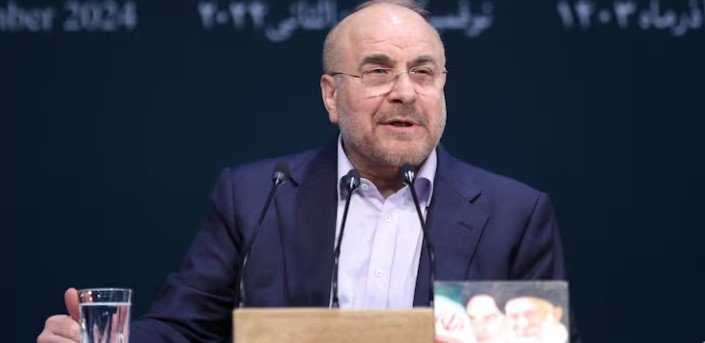














































































































































































































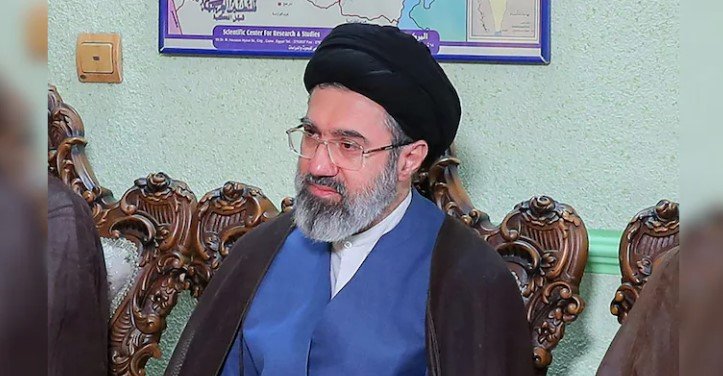
The digital landscape of Middle Eastern geopolitics has been thrown into a frenzy as the latest official profile image of Mojtaba Khamenei, the influential son of Iran’s Supreme Leader, was flagged by multiple forensic detection tools as being likely AI-generated. This technical revelation comes at a particularly sensitive moment, coinciding with unconfirmed but persistent reports suggesting that Mojtaba may have sustained severe injuries in a recent unexplained incident. The flagging of the image has triggered a wave of skepticism regarding the current status and health of the man often viewed as a top contender to succeed his father. Observers and open-source intelligence analysts were quick to point out subtle digital artifacts—including inconsistent lighting on the facial features and unnatural blending near the hairline—that are classic hallmarks of sophisticated generative AI. By releasing a potentially synthetic image, the Iranian state apparatus appears to be attempting to project an image of stability and continuity, though the move has inadvertently fueled deeper suspicions that the real Mojtaba is currently incapacitated or otherwise unable to appear in public for a genuine photograph.
The controversy surrounding the photo has intensified the “succession watch” that has gripped international diplomatic circles for months, as any vacuum at the top of the Iranian leadership could lead to internal power struggles. Critics argue that if the regime is indeed resorting to “deepfake” technology or AI-assisted touch-ups to represent its core leadership, it suggests a desperate need to manage public perception amidst a growing information vacuum. While state-affiliated media outlets in Tehran have dismissed the claims as Western propaganda and “digital sabotage,” they have yet to provide a high-definition, verified video or a live public appearance to debunk the injury reports. This incident highlights the evolving role of artificial intelligence in psychological warfare and statecraft, where the line between a routine portrait and a synthetic fabrication can determine the stability of a nation’s political narrative. As digital forensic experts continue to dissect the pixels of the controversial image, the silence regarding Mojtaba’s physical whereabouts remains a loud and unsettling presence in the ongoing discourse over Iran’s future. For now, the “flagged” photo stands as a digital ghost, raising more questions than it answers about the true condition of one of the region’s most reclusive and powerful figures.