



















































































































































































































































































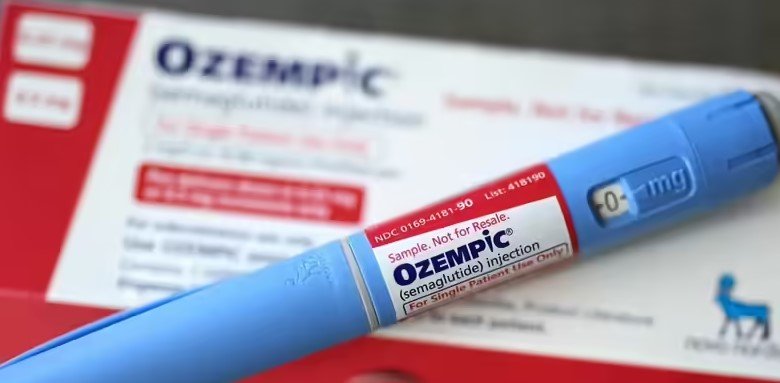
In light of the recent expiration of patents for major weight-loss medications and the subsequent surge of generic alternatives in the Indian market, the central government has significantly intensified its oversight of the pharmaceutical supply chain. The Ministry of Health and Family Welfare, alongside the Drugs Controller General of India (DCGI), has raised alarms over the “on-demand” availability of GLP-1 receptor agonists—such as semaglutide—through online platforms, retail pharmacies, and wellness clinics. Authorities are particularly concerned that the ease of access, coupled with aggressive and often misleading marketing, could lead to widespread misuse. Without strict clinical supervision, these potent metabolic drugs can cause severe adverse effects, including acute pancreatitis, gastrointestinal complications, and significant muscle loss.
The government’s proactive stance follows a series of coordinated inspections and audits conducted at nearly 50 entities, including major online pharmacy warehouses and slimming centers across several regions. On March 10, 2026, the DCGI issued a comprehensive advisory explicitly prohibiting pharmaceutical companies from engaging in “surrogate advertising”—a practice where prescription-only drugs are indirectly promoted through lifestyle or awareness campaigns. Regulators have clarified that in India, these medications are strictly “prescription-only” and should ideally be prescribed by endocrinologists or internal medicine specialists. To ensure compliance, the government has warned that any entity found violating these ethical practices will face stringent penalties, including the immediate cancellation of manufacturing and sales licenses, heavy fines, and potential criminal prosecution.
This regulatory tightening arrives at a pivotal moment as the Indian pharmaceutical industry witnesses a “price war,” with generic versions of popular weight-loss jabs now being offered at a fraction of the cost of original innovator brands. While increased affordability potentially benefits millions struggling with obesity and type 2 diabetes, health experts at institutions like AIIMS have cautioned against “reckless consumption.” They emphasize that these are serious medical treatments, not “magic pens” for cosmetic weight loss. As the market continues to expand, the Ministry of Health has urged citizens to seek these therapies only through qualified medical practitioners, reiterating that long-term safety and effective metabolic health depend on a holistic approach that combines medication with supervised diet and lifestyle modifications.