
































































































































































































































































The Centre has granted in-principle approval for a new medical college in Namsai district, Arunachal Pradesh, under a Public Private Partnership (PPP) mode. This institution is part of 11 new medical colleges approved by the Union Government. The PPP initiative aims to enhance medical education in underserved regions and address the shortage of MBBS seats. Unlike previous models requiring high investments for new campuses, this approach focuses on upgrading existing district hospitals, expediting infrastructure development especially in remote areas like Arunachal Pradesh.
To ensure financial viability, the Centre will provide up to 30% of the project cost as Viability Gap Funding, which states should match. During the pilot phase, funding may increase to 40% of the project cost along with 25% of operational expenses for five years. States must also provide land at concessional rates while ensuring district hospital services remain unaffected. This PPP model will function alongside existing centrally sponsored schemes, offering states multiple pathways to expand medical education.
The choice of Namsai has generated excitement among local students, who often face challenges in pursuing MBBS due to the lack of local colleges. The establishment of the medical college is expected to relieve financial stress on parents and create opportunities for medical education in frontier districts. Additionally, the college is anticipated to impact Namsai’s economy by attracting healthcare industries and services, potentially transforming it into a hub for healthcare, education, and tourism.
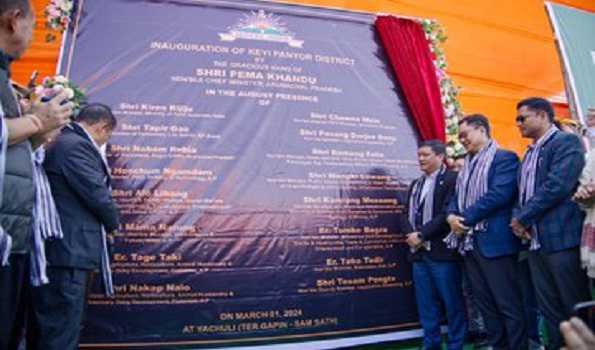
Key political figures, including Chief Minister Pema Khandu, have been recognized for their efforts in securing this approval, marking it as a significant achievement for Eastern Arunachal. Community organizations have also celebrated the decision as a historic event for the Singpho and Khamti communities, indicating broad support and optimism for the future developments in the region.