


































































































































































































































































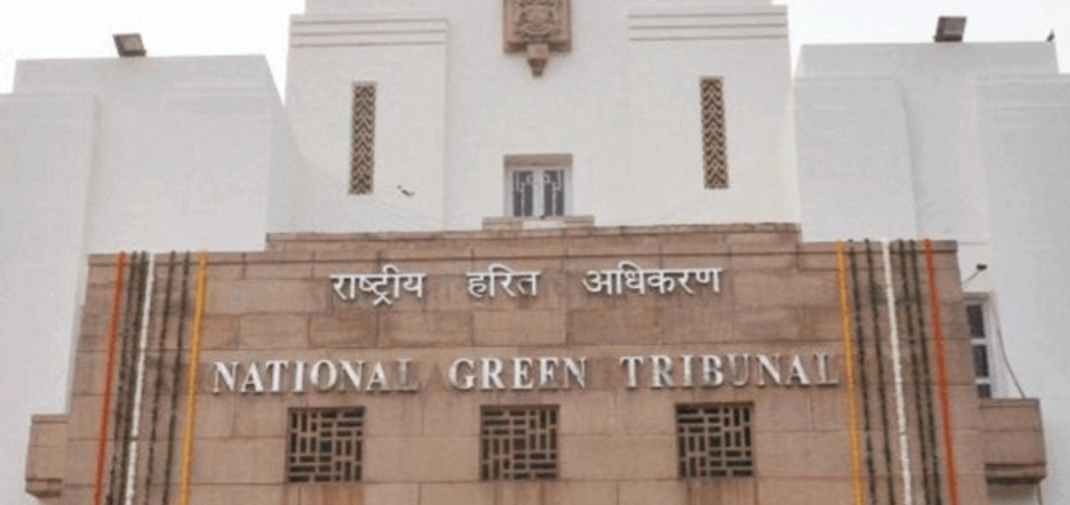
The National Green Tribunal (NGT) has taken cognizance of a petition alleging large-scale environmental pollution caused by two ferro-alloy industries operating in Nicaraguan and Niblock in Arunachal Pradesh.
The matter was heard on March 9 by the Kolkata bench of the tribunal, comprising Justice Arun Kumar Tyagi (judicial member) and Dr A Senthil Vel (expert member). The petition was filed by the Industrial Growth Centre Pollution Affected People’s Forum (IGCPAPF) along with petitioner Dishing Tage.
According to the petition, emissions from the ferro-alloy units have led to serious air, water and soil contamination, affecting several nearby villages including Ruksin, Niglok, Ngorlung, Ralung, Mikong, Mangnang and Lingka.
The applicants alleged that dense smoke and dust particles released from factory chimneys are spreading into the surrounding atmosphere. The dust reportedly settles on agricultural and horticultural fields, while also contaminating wells, community ponds and streams used by villagers as drinking water sources.
The petition further claims that pollution from the industries has harmed local biodiversity, particularly affecting frogs, fish and other aquatic species. Residents in the affected areas have also reported health problems such as respiratory illnesses, chronic bronchitis, lung fibrosis and silicosis.
After reviewing the submissions and documents, the tribunal observed that the matter raises substantial environmental concerns under provisions listed in Schedule I of the National Green Tribunal Act, 2010.
The NGT has issued notices to the respondents, including the state government and other relevant authorities, seeking their responses on the allegations.
In their plea, the petitioners have requested the tribunal to set up a joint committee of environmental experts and government officials to investigate the pollution and assess environmental damage. They have also sought restoration of the affected ecosystem, permanent closure of the ferro-alloy units, criminal proceedings against those responsible under the Environment Protection Act, 1986, and the imposition of environmental compensation and penalties.