





















































































































































































































































































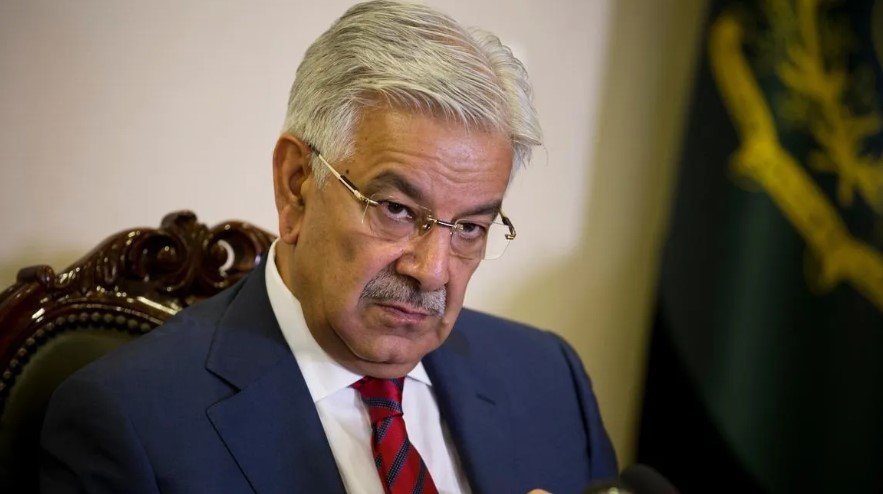
In a move that has further strained the already volatile relations between Islamabad and New Delhi, Pakistan’s Defense Minister Khawaja Asif has issued a stern “calibrated” response warning just days before the anniversary of the significant security incidents in Pahalgam. Speaking at a high-level press briefing, Asif emphasized that Pakistan’s military and strategic posture remains in a state of high alert, suggesting that any perceived provocation or unilateral shift in the regional status quo would meet a measured yet decisive reaction. The timing of this statement is seen by geopolitical analysts as a deliberate attempt to signal resolve to both domestic audiences and international observers as the region approaches a sensitive date marked by historical tensions. Asif’s rhetoric focused on the concept of “proportionality,” hinting that Islamabad has prepared a multi-tiered strategy to counter what it terms “external pressures,” though he stopped short of detailing specific military maneuvers.
The backdrop of this warning is the upcoming anniversary of the Pahalgam events, a period that traditionally sees heightened security across the Line of Control (LoC) and increased diplomatic sparring. By using the term “calibrated,” the Pakistani leadership appears to be trying to balance a hardline stance with a degree of strategic ambiguity, intended to keep regional adversaries guessing about the nature of a potential response. Meanwhile, Indian security agencies have reportedly intensified surveillance and counter-insurgency operations in the Kashmir valley to preempt any fallout from such inflammatory remarks. International diplomats have expressed concern that such high-decibel warnings, especially during sensitive anniversaries, could lead to accidental escalations or miscalculations on the ground. As both nations reinforce their border positions, the international community continues to call for restraint, though Asif’s latest remarks suggest that the window for quiet diplomacy remains narrow as regional posturing takes center stage.