

















































































































































































































































































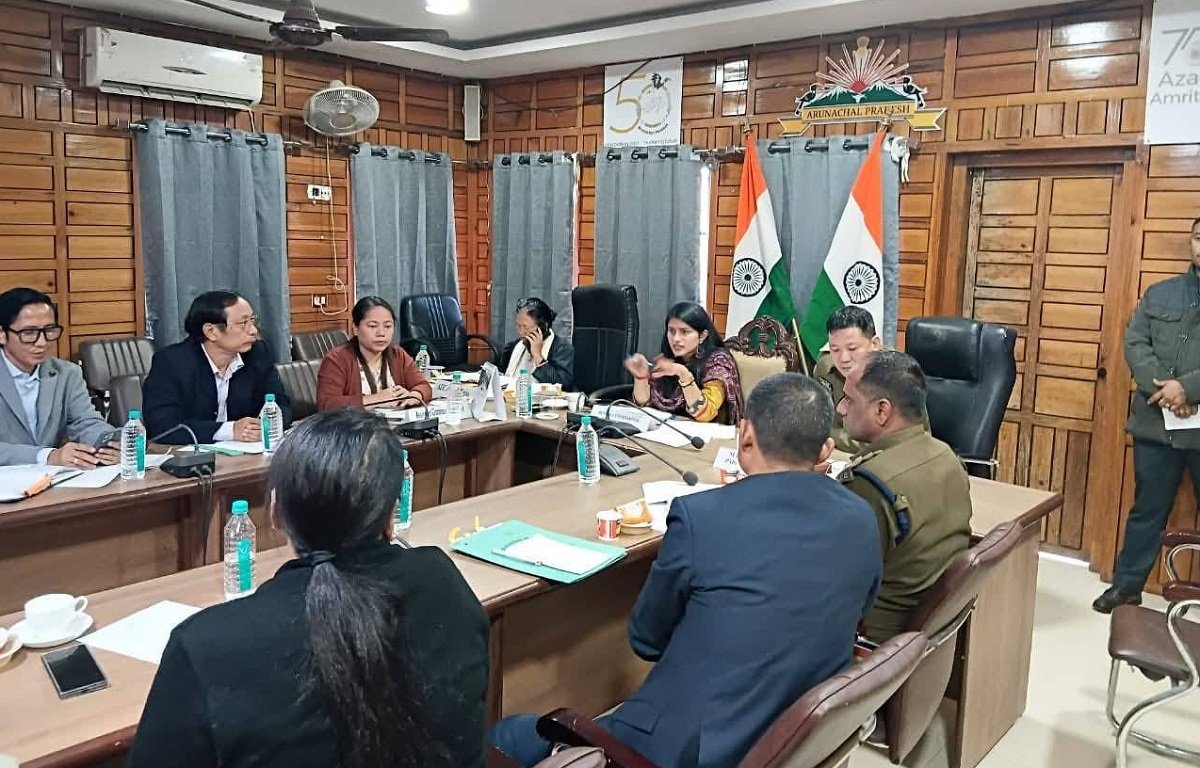
The district administration of Papum Pare district has decided to lease out several government-owned tourism properties that have remained unused for years, in an effort to revive tourism activity and prevent further damage to public assets. The decision was taken during a meeting of the Papum Pare District Tourism Promotion Council, held at the DC Conference Hall on January 29.
During the meeting, officials expressed concern over the poor condition of a number of tourism facilities in the district. Many of these properties, they said, have been lying idle for a long time due to lack of proper management and maintenance. As a result, they have failed to attract tourists or generate any revenue for the local economy. Members of the council agreed that allowing these assets to remain unused would only lead to further deterioration.
The discussion mainly focused on leasing these properties through an open and transparent tender process. Officials stressed the need to frame realistic lease terms that take into account the value of the land, the existing level of tourist footfall and the commercial potential of each site. The aim, they said, is to ensure fairness while also attracting serious and capable bidders.
Three tourism properties have been identified for leasing through tender or Notice Inviting Tender (NIT). These include the Adventure Tourism Camping Site at Jote Poma, the Mini Resort along with the Adventure Tourism Camping Site at Huto, and the Tourist Lodge, also known as the Holiday Inn, at Sagalee. The administration plans to revive these facilities through a public–private partnership model, instead of letting them fall further into disuse.
Special concern was raised about the Tourist Lodge at Sagalee. Officials said the lodge has remained unused for several years and has become vulnerable to misuse and anti-social activities. Reviving this property was described as a priority, as it once served as an important facility for visitors and could again support tourism in the area if properly managed.
Members of the council also highlighted the importance of carefully drafted lease agreements. Clear conditions, they said, would help avoid disputes in the future and ensure that only experienced and financially capable parties take up the projects. Proper redevelopment of these assets could create jobs, improve tourist facilities and give a boost to the local economy.