

















































































































































































































































































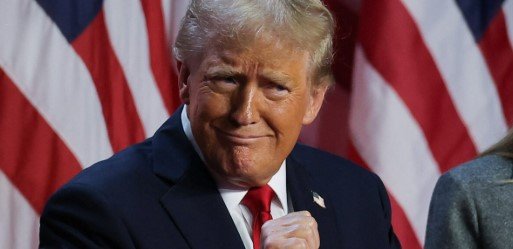
In a dramatic shift that has stunned both Capitol Hill and international allies, President Donald Trump has announced a significant increase in U.S. military presence in the Middle East, marking a total reversal of his previous “Bring the Troops Home” doctrine. Speaking from the White House following the recent Iranian strikes on Qatari energy infrastructure, the President invoked the historical memory of Pearl Harbor to justify what he described as a “necessary and overwhelming” response to foreign aggression. Trump argued that the world is currently facing a moment of existential peril similar to the dawn of World War II, suggesting that a failure to act decisively now would invite a catastrophe of even greater proportions on American soil. This “U-turn” comes after months of the administration signaling a desire to reduce American footprints in foreign conflicts, highlighting how the rapidly deteriorating situation in the Persian Gulf has forced a fundamental recalculation of U.S. national security priorities.
The President’s rhetoric was uncharacteristically somber as he drew parallels between the 1941 surprise attack and the modern-day threat posed by Iran’s missile capabilities and its disruption of global energy arteries. By invoking Pearl Harbor, Trump aimed to galvanize a divided public and Congress, framing the potential war not as a choice, but as a defensive obligation to protect the “free world’s lifeblood.” Military officials indicate that the new deployment will include advanced carrier strike groups, additional Patriot missile batteries, and several thousand elite ground troops to be stationed at strategic hubs across the region. Critics, however, have been quick to point out the irony of this policy shift, noting that the President had built his political identity on ending “endless wars.” Opposition leaders expressed concern that such provocative language and sudden military buildup could lead to an accidental full-scale war, accusing the administration of bypassing diplomatic channels in favor of a “maximum pressure” campaign that has now reached a boiling point.
As thousands of American service members prepare for deployment, the global community remains on edge, fearing that the rhetoric of the “Greatest Generation” is being used to usher in a modern conflict with no clear exit strategy. The President’s remarks have already caused further volatility in the oil markets, as investors brace for the possibility of a prolonged maritime confrontation in the Strait of Hormuz. While the administration maintains that these troops are a “deterrent force” intended to prevent a broader conflagration, the invocation of one of America’s darkest military chapters suggests that Washington is preparing for the worst. For now, the world watches to see if this pivot will force Tehran to the negotiating table or if the historical analogies of 1941 will become a self-fulfilling prophecy for the year 2026.