





















































































































































































































































































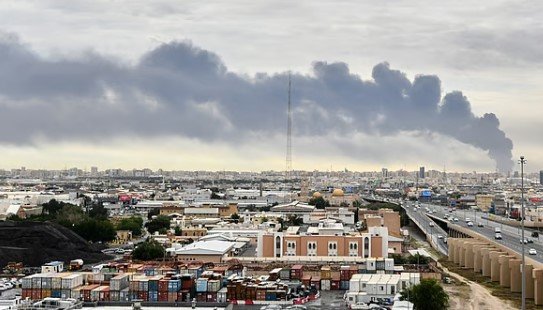
In a grave escalation of regional hostilities, an Indian national has been confirmed dead following an Iranian aerial attack targeting a critical desalination facility in Kuwait. The strike, which occurred during a wave of intensified regional operations, hit the infrastructure responsible for providing a significant portion of the nation’s fresh water supply. According to local authorities and diplomatic sources, the victim was an employee at the plant, part of the large expatriate workforce that sustains Kuwait’s essential services. The Indian Embassy in Kuwait City has expressed its profound grief over the loss and is currently working closely with Kuwaiti officials to facilitate the repatriation of the deceased’s remains and ensure that the bereaved family receives the necessary support. This tragic incident underscores the high human cost for neutral foreign workers caught in the crossfire of the deepening conflict between Tehran and its regional adversaries.
The attack on the desalination plant has sparked immediate concerns regarding Kuwait’s resource security, as the facility suffered substantial structural damage, leading to a temporary disruption in water distribution across several districts. Military analysts suggest that the targeting of civilian infrastructure represents a dangerous shift in engagement rules, aimed at exerting maximum pressure on regional energy and utility networks. While the Kuwaiti government has condemned the act as a blatant violation of its sovereignty and international law, the broader geopolitical implications are causing alarm in New Delhi. India, which maintains a policy of strategic neutrality and shares strong ties with both Iran and the Gulf nations, now faces the challenge of ensuring the safety of its millions of citizens living and working in the volatile Middle East.
International human rights organizations and global leaders have called for an immediate cessation of strikes on non-military targets, warning that the destruction of life-sustaining infrastructure like water plants could lead to a humanitarian catastrophe. As Kuwaiti engineers work around the clock to restore water services, the presence of military patrols near vital installations has been significantly increased. The death of the Indian technician serves as a somber reminder of the fragility of peace in the region and the urgent need for a diplomatic resolution before more innocent lives are lost. For now, the Indian government has issued a heightened travel advisory for the region, urging its citizens to remain vigilant and stay in close contact with respective diplomatic missions as the situation remains highly unpredictable.