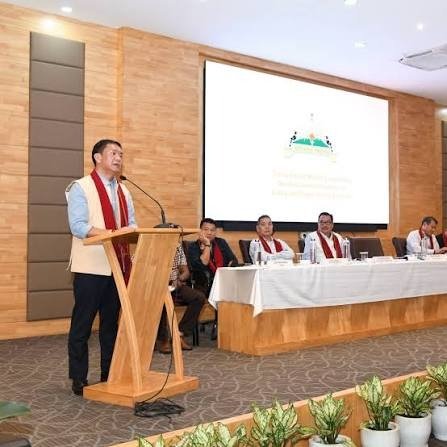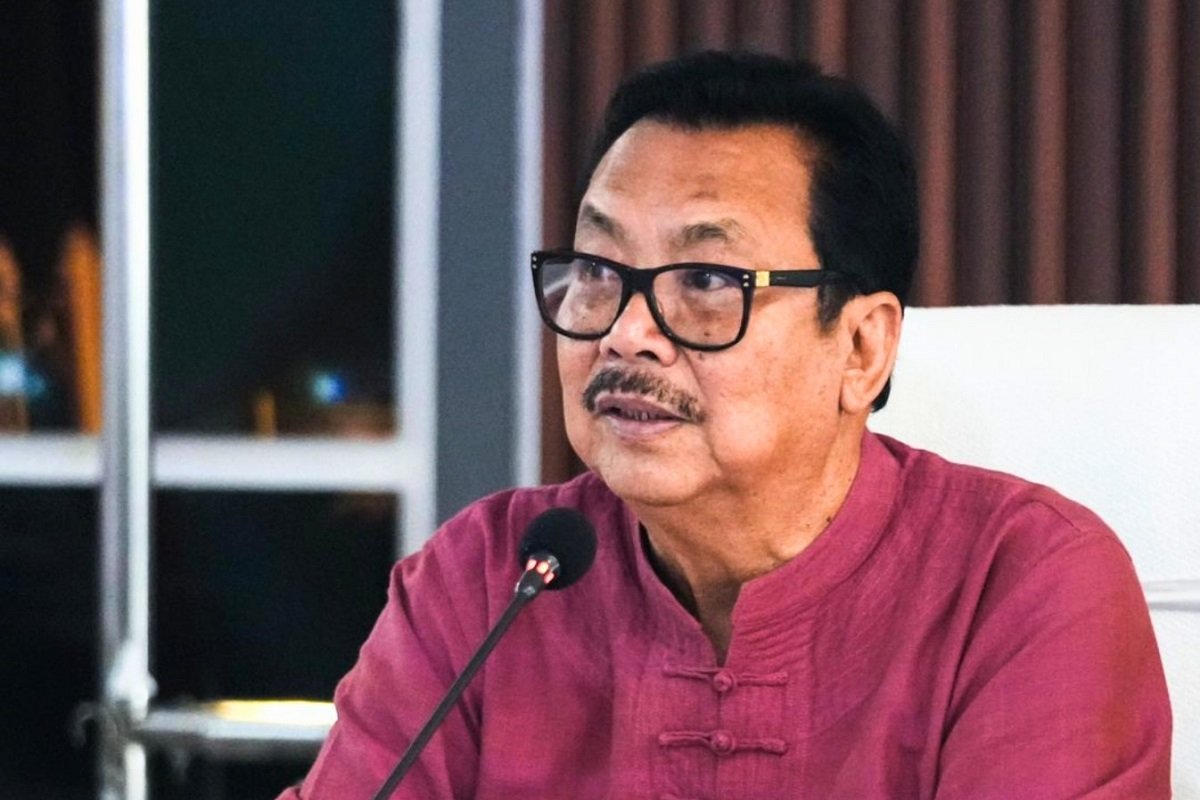
Arunachal Pradesh Deputy Chief Minister Chowna Mein has welcomed the successful commissioning of the fourth unit of the Lower Subansiri Hydroelectric Project and described it as a major step towards strengthening India’s clean energy future.
With the latest development, the project has now achieved 1,000 MW of operational power generation capacity. Officials said the fourth unit, which has a generation capacity of 250 MW, officially began commercial operations from May 8.
The Lower Subansiri Hydroelectric Project, being developed by NHPC Limited, is located on the Subansiri River along the Assam-Arunachal Pradesh border. It is one of the biggest hydropower projects in the country and has a total planned installed capacity of 2,000 MW. The project consists of eight generating units, each capable of producing 250 MW of electricity.
Reacting to the commissioning of the fourth unit, Mein congratulated the engineers, technical staff, officials and workers associated with the project. He said the achievement came after years of hard work and several operational and logistical challenges.
The Deputy Chief Minister, who also handles the power and hydropower department in the Arunachal Pradesh government, said the project reflects India’s increasing focus on clean and sustainable energy production. According to him, hydropower projects such as Lower Subansiri are important for reducing dependence on conventional sources of power and for improving long-term energy security.
He also thanked all agencies and stakeholders involved in carrying forward the project.
Officials associated with the project said the commissioning of four units marks an important phase for power generation in the Northeast. Once all eight units become operational, the project is expected to improve electricity availability across Arunachal Pradesh, Assam and other parts of the region.
The Lower Subansiri project has remained one of the most closely watched hydropower ventures in the Northeast for many years. Construction work had faced long delays due to protests, environmental concerns and technical issues. Several civil society organisations and local groups had earlier raised concerns regarding downstream impact, dam safety and environmental consequences.
Because of these issues, work on the project remained stalled for a long period before construction activities resumed in 2019 after fresh discussions and reviews.
Despite the delays, the project has witnessed steady progress over the past few years. Earlier this year, the project also achieved another engineering milestone with the installation of India’s heaviest hydro rotor for Unit 5.
Energy experts believe the project will play an important role in strengthening renewable energy generation in the country. Hydropower is considered a key source of renewable electricity and is expected to support India’s growing power demand in the coming years.