























































































































































































































































































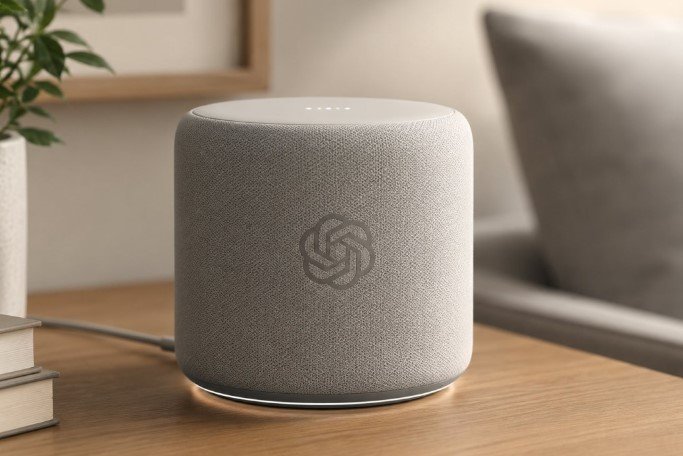
OpenAI is preparing to make its highly anticipated leap into consumer hardware with a moveable, screenless smart speaker designed to act as an active, “alive” companion in the home. Internally described as a “computer built for the AI era,” the portable, battery-powered device moves away from traditional displays, relying instead on GPT-Live—an advanced version of ChatGPT’s voice mode that allows for natural, simultaneous back-and-forth conversations. What sets this device apart from standard home hubs is its ability to proactively anticipate user needs by scanning context from its built-in cameras, environmental sensors, and personal digital data like emails. To make the interaction feel less robotic and more humanlike, the speaker reportedly features autonomous mechanical elements that physically move during conversations, bringing a kinetic personality to the household. Developed in collaboration with Jony Ive’s design firm, LoveFrom, and utilizing talent from OpenAI’s $6.5 billion acquisition of io Products, the project is heavily staffed by former Apple engineers. However, the path to its projected 2027 commercial release faces a major roadblock; Apple recently filed a blockbuster lawsuit accusing OpenAI of trade secret theft through aggressive recruitment, seeking a court injunction that could stall the launch of the ambitious device.
The Decoder+ 5