






















































































































































































































































































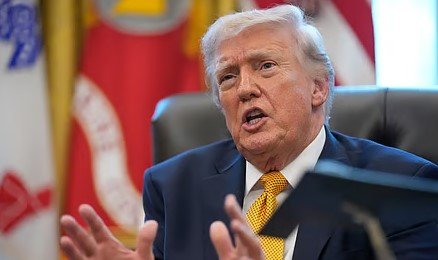
As the conflict in the Middle East reaches a critical four-week mark, President Donald Trump has asserted that an exit strategy is finally within reach, claiming that Tehran is secretly eager for a settlement despite its fierce public denials. In a high-stakes diplomatic maneuver, the Trump administration has reportedly funneled a 15-point peace proposal to Iranian leaders through Pakistani intermediaries. The plan is comprehensive and demanding, requiring the total dismantlement of Iran’s nuclear infrastructure and a permanent reopening of the Strait of Hormuz in exchange for sweeping sanctions relief. While President Trump has described recent back-channel progress as a “very big present,” the White House simultaneously warned it is prepared to “unleash hell” with further military escalation if the deal is rejected. This “carrot and stick” approach comes even as thousands of additional U.S. troops from the 82nd Airborne Division are deployed to the region to maintain maximum pressure.
The diplomatic atmosphere remains a confusing blend of optimism and defiance. China’s Foreign Minister, Wang Yi, recently stated that a “glimmer of hope” for peace has emerged, suggesting that both Washington and Tehran have signaled a private willingness to return to the negotiating table. Beijing’s assessment, following talks with Egyptian and Turkish mediators, points to a shared exhaustion that could lead to a ceasefire. However, the official word from Tehran remains starkly different. Iranian Foreign Minister Abbas Araghchi has dismissed the talks as an “admission of defeat” and insisted that no direct negotiations have occurred. Iranian officials have characterized the U.S. proposal as “maximalist” and “unreasonable,” even as they reportedly review the documents delivered by Islamabad.
On the ground, the cost of the conflict is mounting rapidly, creating domestic pressures for both administrations. Global energy markets have been sent into a tailspin by the effective closure of the Strait of Hormuz, where maritime traffic has plummeted by nearly 95% since the onset of hostilities on February 28. While Iran has recently allowed “non-hostile” vessels from nations like India and China to pass, the broader blockade continues to strain the global economy. President Trump has framed the current situation as a win, suggesting that the “regime change” objectives have been partially met by the degradation of Iran’s command structure. However, with Israel vowing to continue its strikes until total victory is achieved, the path to a coordinated exit remains fraught with peril.
Ultimately, the success of Trump’s exit strategy hinges on whether the 15-point plan can move from a list of demands to a viable negotiating instrument. Middle East analysts suggest that the President may be looking for a face-saving “off-ramp” that allows him to declare a military victory before the conflict spirals into a broader regional war. The involvement of regional brokers like Pakistan and Egypt offers a narrow corridor for trust-building, but the deep-seated mistrust between the primary actors remains a formidable barrier. As the March 28 deadline for the U.S. ultimatum approaches, the world is watching to see if the “glimmer of hope” seen by Beijing will lead to a lasting ceasefire or if the cycle of “negotiating with bombs” will continue to define this era of Mideast relations.