






















































































































































































































































































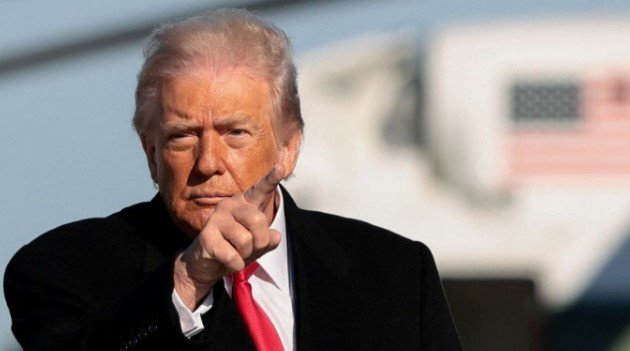
Former US President Donald Trump has reportedly expressed hesitation over an allied proposal to remove naval mines from the Strait of Hormuz to restore full commercial shipping access, highlighting continuing disagreements within Western strategy on securing one of the world’s most critical maritime corridors. The proposal, aimed at ensuring safe passage for oil tankers and commercial vessels, is part of broader discussions linked to efforts to stabilise the region following recent diplomatic moves involving Iran and the United States.
According to officials familiar with the discussions, the plan would involve coordinated naval operations to detect and neutralise underwater explosives and other hazards that have raised insurance costs and disrupted shipping activity in the strait. Supporters of the initiative argue that mine clearance is essential to restoring confidence in global energy supply routes and preventing further escalation in maritime tensions.
However, Trump’s reported reluctance reflects concerns about the operational risks and potential for renewed confrontation in a highly sensitive geopolitical environment. The Strait of Hormuz remains a strategic chokepoint through which a significant share of the world’s oil trade passes, making any military or security operation in the area highly consequential for global markets.
The debate comes amid ongoing uncertainty surrounding broader US-Iran relations and the implementation of any emerging peace framework. While some allies see demining as a necessary confidence-building measure, others caution that such actions could provoke further instability if not carefully coordinated with all regional stakeholders.
The issue underscores the complexity of balancing maritime security with diplomatic efforts in West Asia, where competing strategic interests continue to shape policy decisions. Analysts say the outcome of the discussions will play a key role in determining the future safety and stability of one of the world’s most vital energy transit routes.