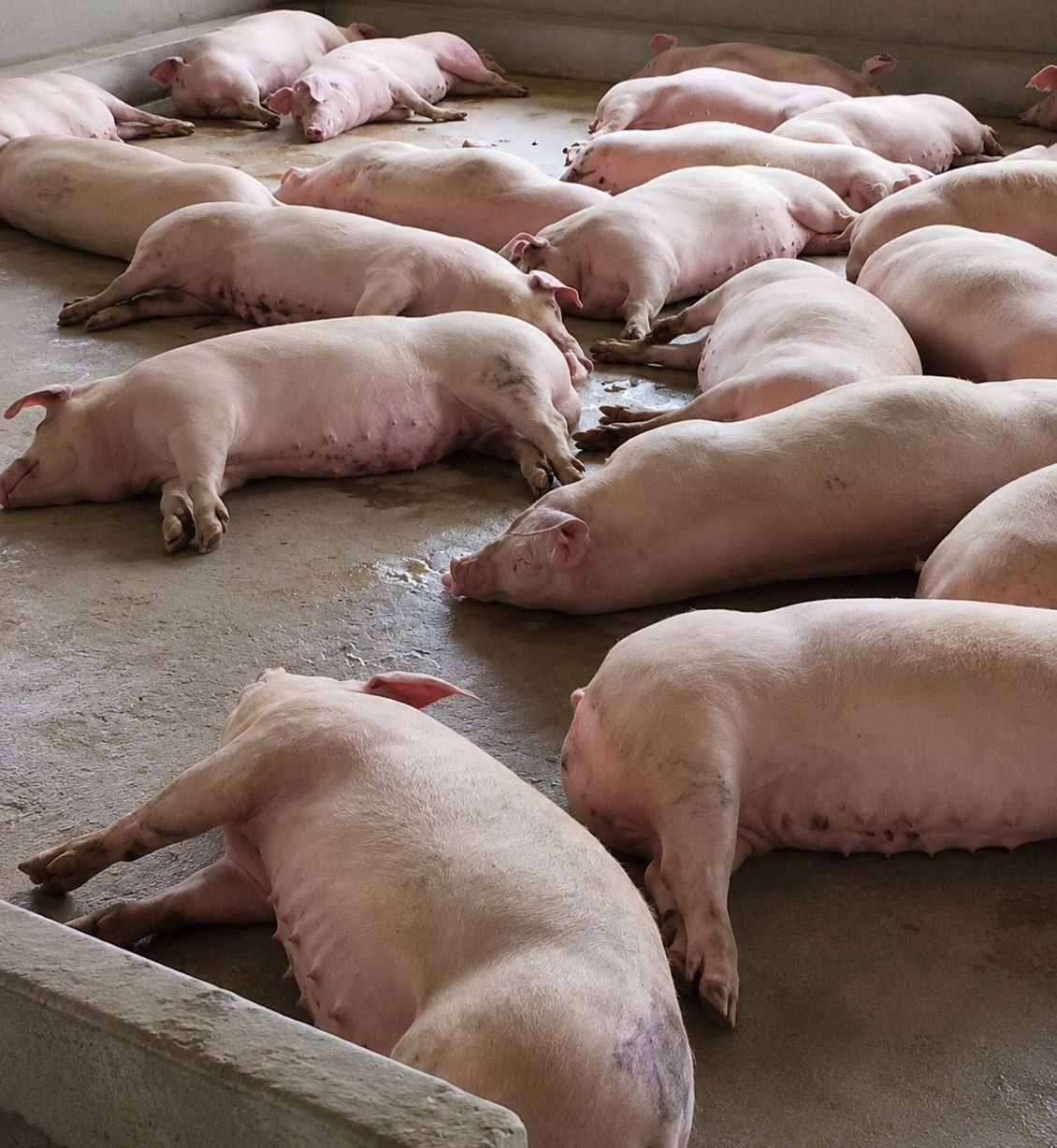
The administration of Arunachal Pradesh’s Longding district has imposed an immediate ban on the purchase and transportation of live pigs, piglets, pork, and pork-based products from Assam and other African Swine Fever (ASF)-affected areas following the confirmation of an ASF outbreak in Assam’s Tinsukia district.
In an advisory issued on Monday, district authorities said the restrictions have been enforced as a preventive measure to stop the entry and spread of the highly contagious viral disease into Longding district. The ban will remain in force for a period of one month.
The administration has directed all pig farmers, livestock traders, transporters, and members of the public to strictly adhere to the restrictions. Officials warned that any violation of the order would invite legal action under the Prevention and Control of Infectious and Contagious Diseases in Animals Act, 2009.
As part of the containment measures, farmers have also been instructed to discontinue swill feeding—the practice of feeding pigs with kitchen waste—which has been identified as a major source of ASF transmission.
The district veterinary department has simultaneously issued a set of biosecurity guidelines for pig farms. These include the installation of disinfectant foot dips at pigsty entrances, the use of dedicated clothing and footwear within farm premises, and restrictions on unnecessary visitors, vehicles, and outside personnel entering pig-rearing facilities.
Farmers have been advised to regularly clean and disinfect pig sheds, feeding equipment, and surrounding farm areas to minimize the risk of infection.
Authorities have further urged livestock owners to remain vigilant for symptoms associated with ASF, including high fever, weakness, loss of appetite, skin haemorrhages or purple patches, and sudden death among pigs. Any suspected case must be immediately isolated and reported to the nearest veterinary dispensary or district veterinary authorities.
To prevent environmental contamination, the administration has prohibited the disposal of pig carcasses in open fields, roadsides, or water bodies. Instead, infected animals must be disposed of through deep burial with lime or by incineration under veterinary supervision.
According to the district administration, the precautionary measures are aimed at protecting the local pig population and preventing the spread of African Swine Fever, which has caused significant losses to pig farmers across several northeastern states in recent years.