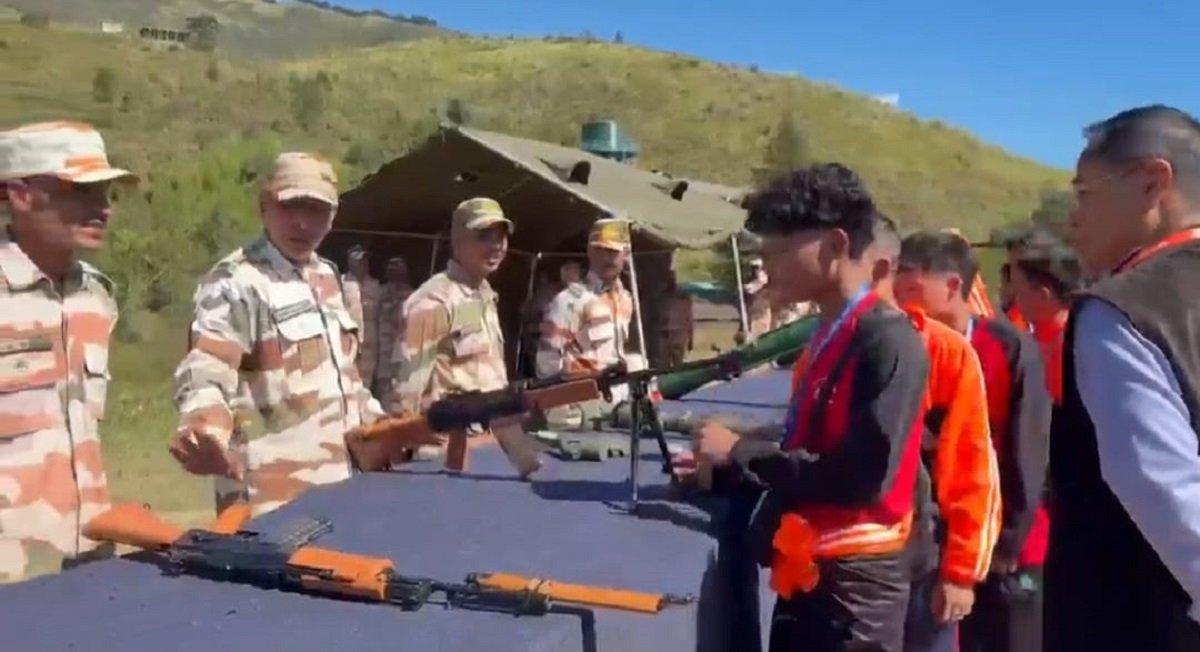
The Bharatiya Janata Party in Arunachal Pradesh has strongly defended the strategic importance of the proposed Siang Upper Multipurpose Project, arguing during a press conference at the state party office in Itanagar led by Rajya Sabha MP Tai Tagak and Information and Public Relations Minister Nyato Dukam that the initiative must be viewed far beyond its primary capacity for electricity generation because it holds critical implications for national security, comprehensive water resource management, and regional economic development by helping to regulate water flows and counter strategic concerns stemming from massive upstream dam construction by China on the Siang River, which serves as a major tributary of the Brahmaputra, with Tagak noting that the project originally dates back to its 1983 inception under the Brahmaputra Board before receiving formal National Project status in 2008, even as the proposed undertaking continues to face intense opposition within the Siang Valley where local indigenous organisations including the Siang Indigenous Farmers’ Forum Youth Wing and the SUMP Affected Area Youth Association have voiced severe apprehension regarding the potential adverse impacts of the pre-feasibility report survey on local land, environment, and cultural identity, citing the deep spiritual and economic significance of the Siang River to resident communities and pointing to recent protests in Yingkiong that compelled the district administration to temporarily relax prohibitory orders imposed under Section 163 of the Bharatiya Nagarik Suraksha Sanhita while activists simultaneously demand the immediate release of local residents detained under the Arunachal Pradesh Unlawful Activities Prevention Act, the complete withdrawal of central armed forces from the affected region, and an absolute halt to all survey activities, thereby turning the venture into a highly contentious socio-political issue where ruling party leaders emphasize geopolitical necessity and flood moderation while grassroots organisations remain steadfast in protecting their homeland, ancestral heritage, and river ecosystems against perceived long-term environmental displacement and existential threats.