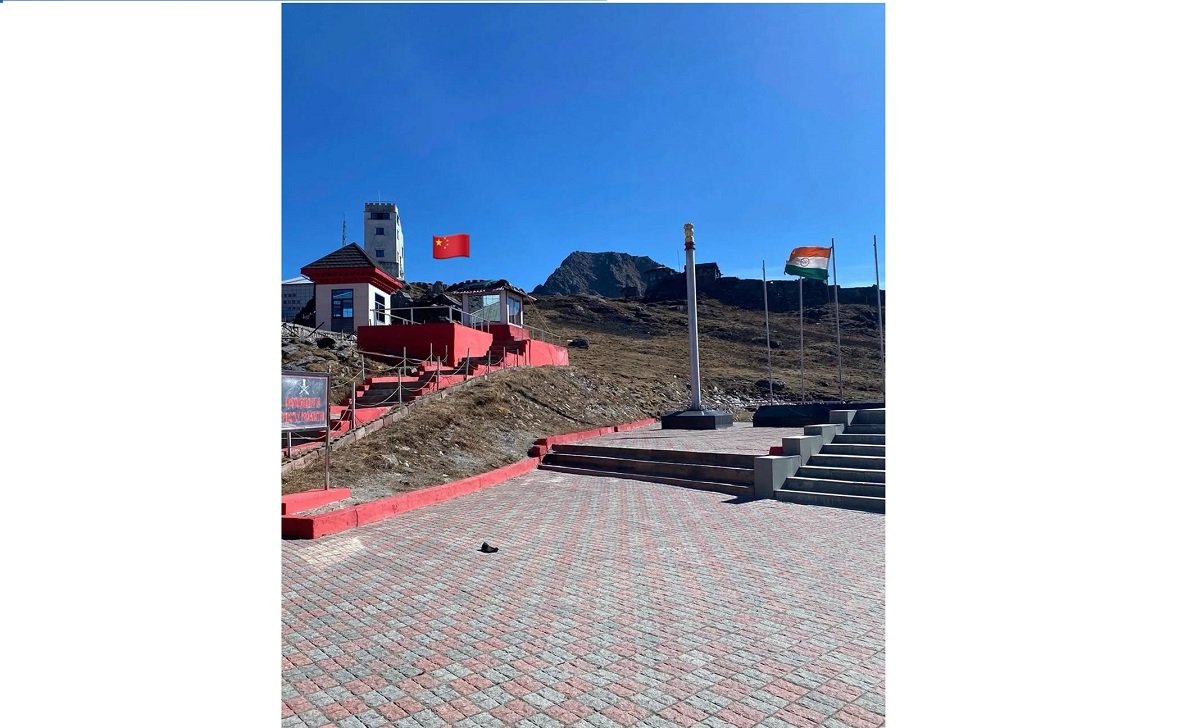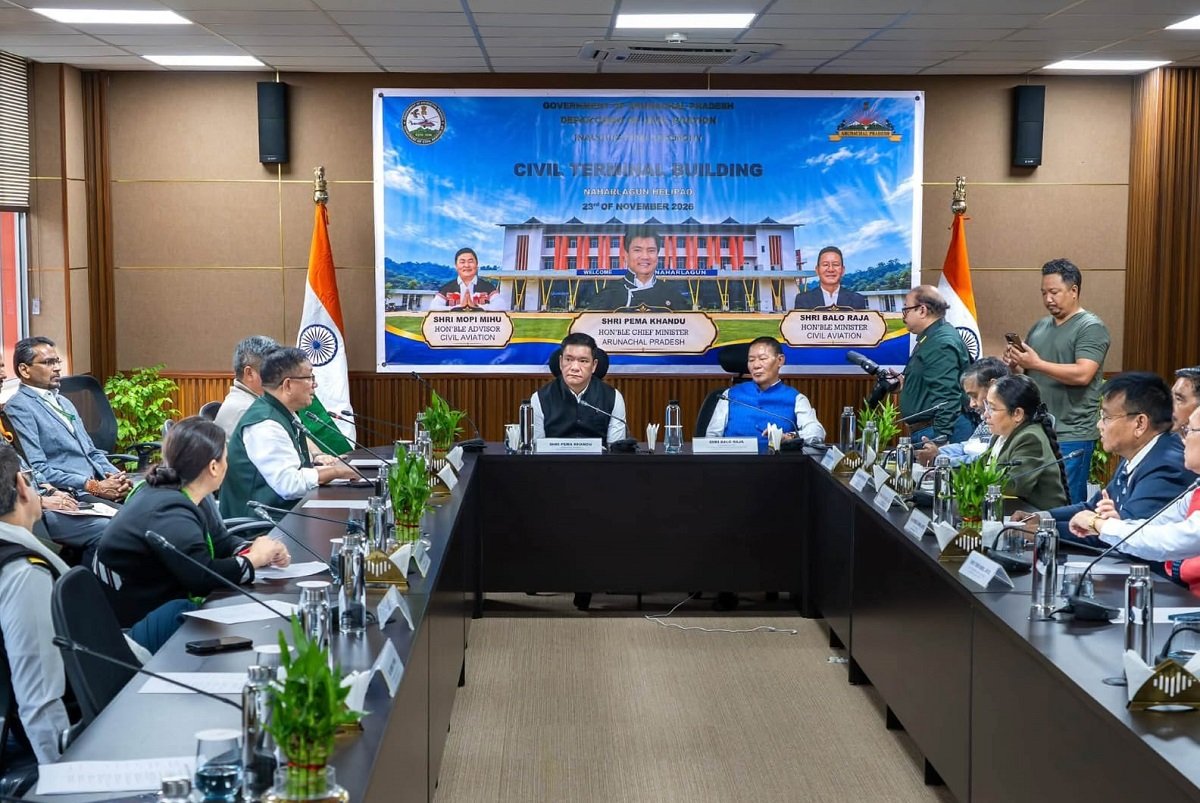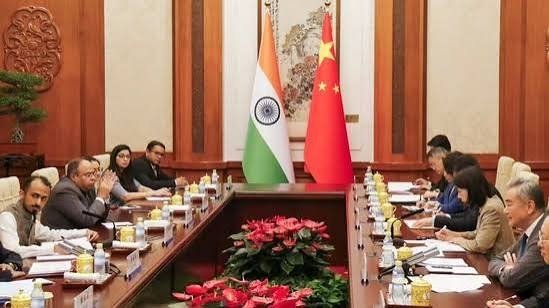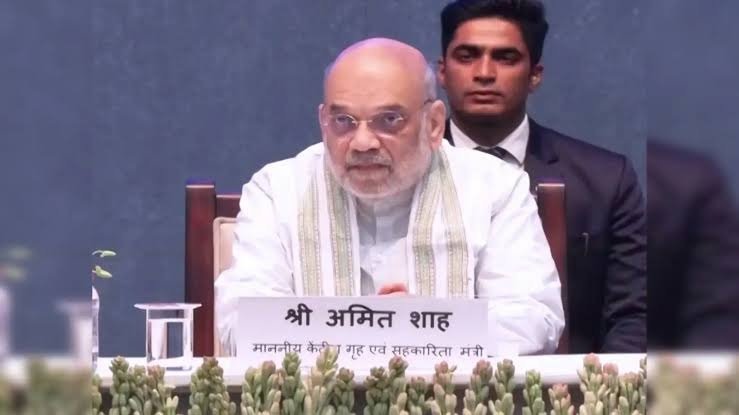
India and China have concluded a marathon ten-day second round of Corps Commander-level talks aimed at easing tensions along the Line of Actual Control in Arunachal Pradesh, running concurrently with a major ₹5,610.95-crore development push unveiled by Union Home Minister Amit Shah during his three-day visit to the frontier state. Initiated on November 8, a day after Deepavali, and continuing with only a brief pause, the military dialogue saw the Indian delegation led by Lieutenant General Girish Kalia, General Officer Commanding of the Spear Corps, alongside a Ministry of External Affairs representative, focusing squarely on refining engagement protocols, maintaining open communication channels, and preventing localized friction from escalating into broader standoffs. This extended engagement builds upon the first round held on September 6 and 7 at the Wacha-Damai Border Personnel Meeting point in Kibithoo, which was convened following a July standoff in Taksing, Upper Subansiri, where local communities alleged that the People’s Liberation Army had constructed roads, bridges, and camps across traditional grazing grounds. Parallel to these diplomatic efforts to stabilize the border, Amit Shah concluded his tour on Sunday by launching four transformative initiatives valued at ₹5,610.95 crore, including 199 Vibrant Villages projects worth ₹110.95 crore across eleven border districts, ₹1,500 crore for Mission Shikshit Arunachal Phase-II, and ₹2,000 crore each for power infrastructure and rural road connectivity, while also unveiling the Arunachal Pradesh Cooperation Vision Document 2047 and inaugurating the 12th Battalion National Disaster Response Force campus at Hollongi. Highlighting tangible demographic and economic shifts, Shah announced that outward migration has halted across forty villages along the Chinese border, with residents actively returning home as frontier settlements are reimagined as the nation’s first villages rather than its last. To sustain this reverse migration and strengthen local livelihoods, he directed the Indo-Tibetan Border Police and the Indian Army to procure essential supplies directly from local cooperatives instead of distant hubs like Tezpur or Guwahati, pointing to Arunachal’s broader economic surge where Gross State Domestic Product has climbed from ₹20,373 crore in 2015–16 to an estimated ₹50,651 crore in 2026–27 alongside annual road construction expanding sixfold from 300 kilometers to 1,800 kilometers. Even as central and state authorities continue engaging in dialogue to assuage local concerns surrounding the proposed 11,200 MW Siang Upper Multipurpose Project, the twin tracks of sustained military diplomacy and accelerated border infrastructure reflect a cohesive national strategy to anchor peace, resilience, and self-reliance across India’s easternmost frontier.