Arunachal Pradesh minister Ojing Tasing on October 27 held discussions with representatives of the East Siang Downstream Dam Affected People’s Forum (ESDDAPF) over concerns surrounding the proposed 11,200-megawatt Siang Upper Multipurpose Project (SUMP).
The meeting comes amid continuing discussions over the project’s potential impact on downstream communities in East Siang district, with representatives of the forum seeking attention to the concerns of people living in areas that could be affected by the proposed development.
The delegation was led by ESDDAPF president Oni Tamuk and general secretary Jobomchang Mengu. The forum represents communities across 72 villages that could be affected by the project.
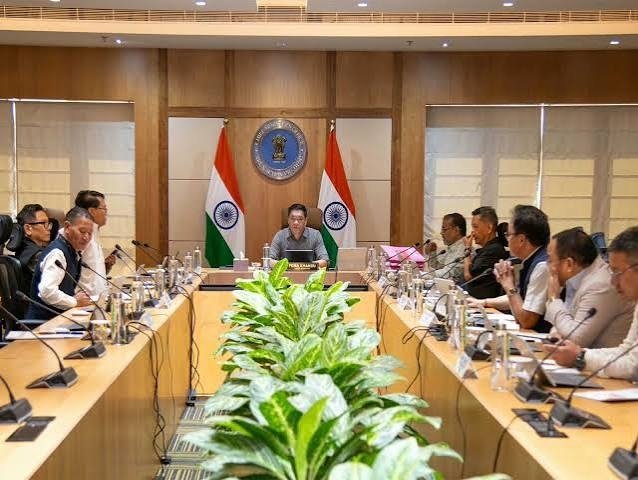
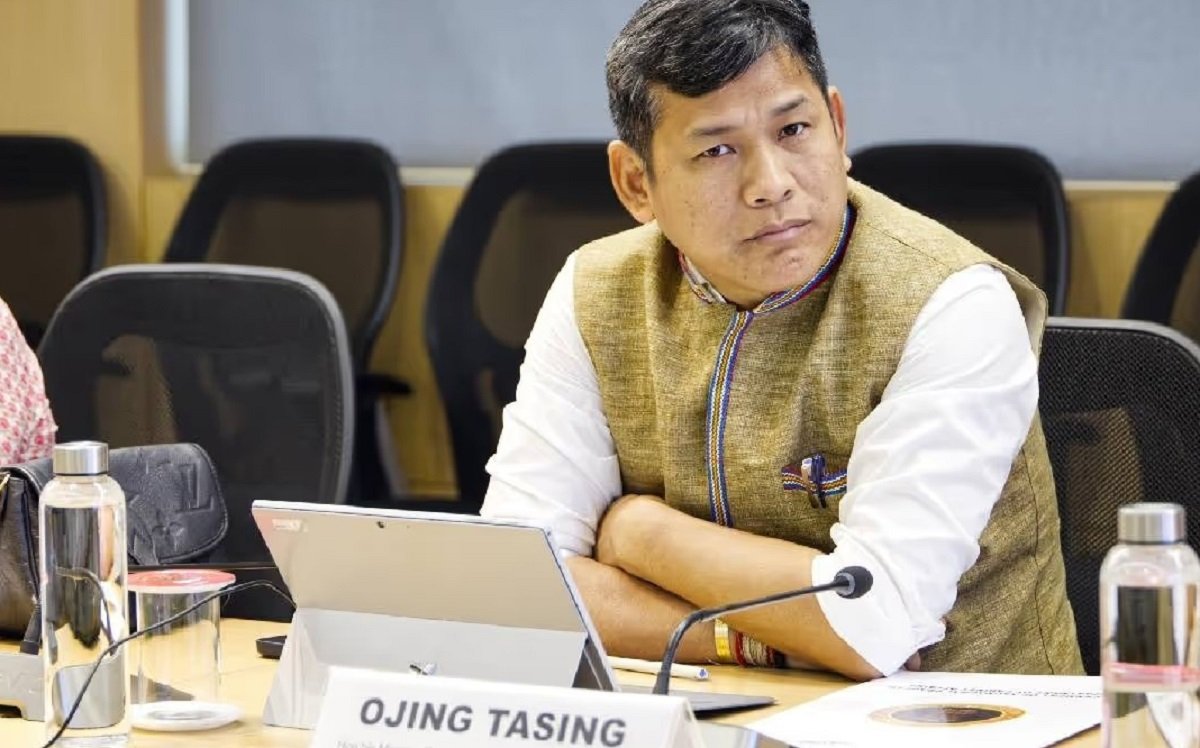
Tasing, who holds the rural development and panchayati raj portfolios in the Arunachal Pradesh government, said the meeting provided an opportunity to discuss the project’s Pre-Feasibility Report (PFR), address apprehensions and clarify issues raised by downstream communities.
Emphasising the importance of balancing national priorities with the interests of local residents, the minister said a project of such significance must move forward with the trust and confidence of the people.
He stressed that transparency, dialogue and mutual understanding were essential to building public confidence. He also underlined that the concerns, rights and legitimate interests of local communities must remain central to consultations and decision-making related to the project.
The proposed Siang Upper Multipurpose Project envisages a large hydropower and water-storage facility on the Siang River, with a planned installed capacity of around 11,200 MW. The project is being examined for its potential to strengthen India’s energy and water security, help moderate floods and support regional development.
Its strategic importance has also been discussed in the context of concerns over possible upstream interventions in the Brahmaputra basin. However, the proposal has raised apprehensions among sections of the local population over its possible social and environmental consequences, particularly for communities living downstream.
The ongoing pre-feasibility assessment is intended to examine the project’s technical viability and other relevant parameters before a final decision on construction is taken. The process is expected to provide information needed to assess the proposal and determine the next steps.
Arunachal Pradesh Chief Minister Pema Khandu said in September that the feasibility assessment was necessary to establish whether the project was technically viable. He maintained that the government did not intend to rush beyond the assessment stage.
In another development, the state Cabinet approved an empowered high-level committee in September to oversee activities related to the PFR surveys in Siang and Upper Siang districts. Tasing was appointed chairman of the committee.
The committee is expected to facilitate engagement with residents and ensure that survey-related activities are carried out transparently and peacefully. Its role also places the minister at the centre of efforts to maintain communication between the administration and communities as the assessment progresses.
The latest meeting with ESDDAPF reflects the state government’s continuing engagement with residents over the proposed project. With communities across several villages concerned about its possible implications, consultations are likely to remain an important part of the assessment process.
The project continues to involve two key considerations: its potential contribution to India’s energy and water security and the need to address the concerns of people who could be affected by its implementation. The progress of the pre-feasibility assessment and discussions with local communities will be important in determining how the proposal moves forward.