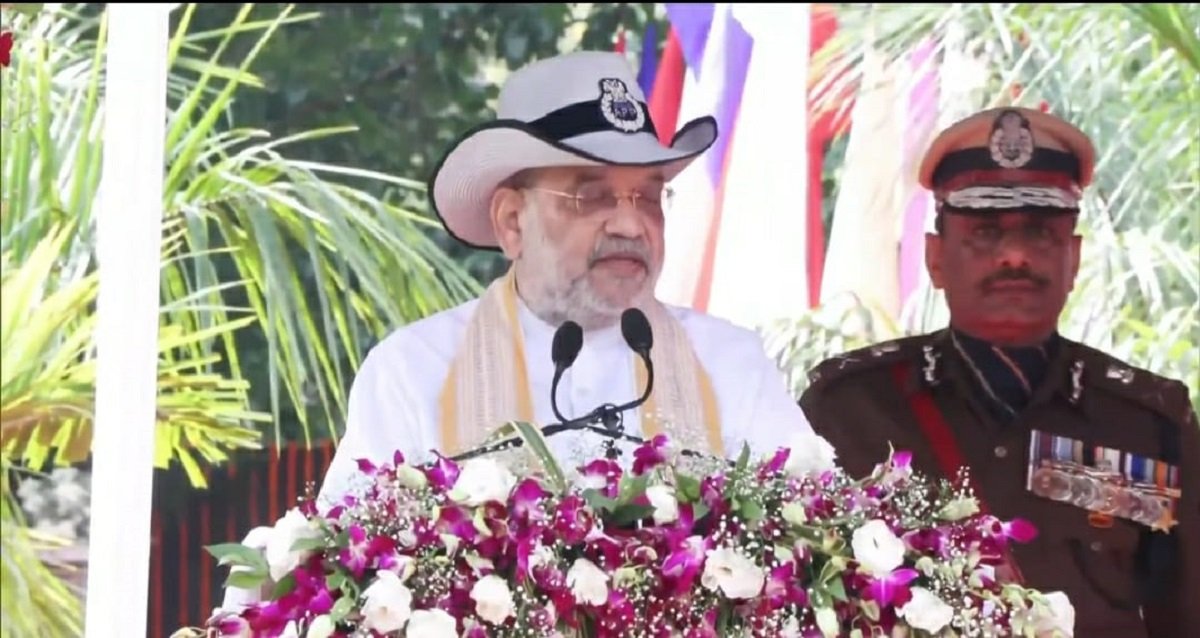
Union Home Minister Amit Shah’s visit to Arunachal Pradesh brought the contentious 11,200-megawatt Siang Upper Multipurpose Project (SUMP) to the forefront of political and community discourse, highlighting a sharp divide between New Delhi’s strategic infrastructure ambitions and fierce grassroots opposition from indigenous groups. Addressing a ceremonial gathering in Itanagar where he presented the prestigious President’s Police Colour to the Arunachal Pradesh Police, Shah emphasized that the proposed mega-hydropower project is crucial for both Arunachal Pradesh’s economic transformation and India’s broader energy security. Seeking to assuage mounting local anxieties, however, the Home Minister assured residents that the central government would move forward solely through sustained dialogue and mutual trust, pledging that the cultural identity, ancestral rights, and core interests of the Adi community would never be compromised. Despite these conciliatory assurances, prominent indigenous organizations—specifically the Adi Ba:ne Kebang United (ABKU) and the Siang Indigenous Farmers’ Forum (SIFF)—submitted a strongly worded memorandum to Shah on Friday, November 20, reiterating their uncompromising stance against constructing any dam across the Siang River. Signed by ABKU president Dijhi Tamuk and SIFF president Nobeng Burang, the representation argued that the project is a forty-five-year-old proposal that was previously rejected twice before being revived in 2024, and demanded an immediate halt to pre-feasibility report (PFR) survey work alongside the withdrawal of security forces deployed across Upper Siang and Siang districts. Furthermore, the community leaders pressed for the immediate release of detained youths, the withdrawal of all police FIRs registered against protesters, and a comprehensive judicial inquiry into the October 23 incident involving tear gas and stun grenade firing against demonstrators. Adding political weight to these demands, the opposition Congress party also called upon the Centre to issue a formal written assurance guaranteeing that the Siang project would not be forcibly imposed against the wishes of local indigenous populations. Beyond the high-stakes hydropower deliberations, Shah’s itinerary underscores the Centre’s broader institutional and developmental engagement in the frontier state. On Sunday, prior to returning to New Delhi, the Home Minister is scheduled to unveil the Arunachal Pradesh Cooperation Vision Document 2047, inaugurate the regional Saras Mela to promote rural entrepreneurship, and dedicate the new campus of the 12th Battalion of the National Disaster Response Force (NDRF) at Hollongi. Ultimately, while these developmental and security milestones reflect continued central investment in Arunachal Pradesh’s infrastructure and disaster resilience, the trajectory of the massive Siang Upper Multipurpose Project remains delicately poised on whether New Delhi can bridge the deep trust deficit and reconcile national energy priorities with the lived concerns of the Siang valley’s indigenous stewards.