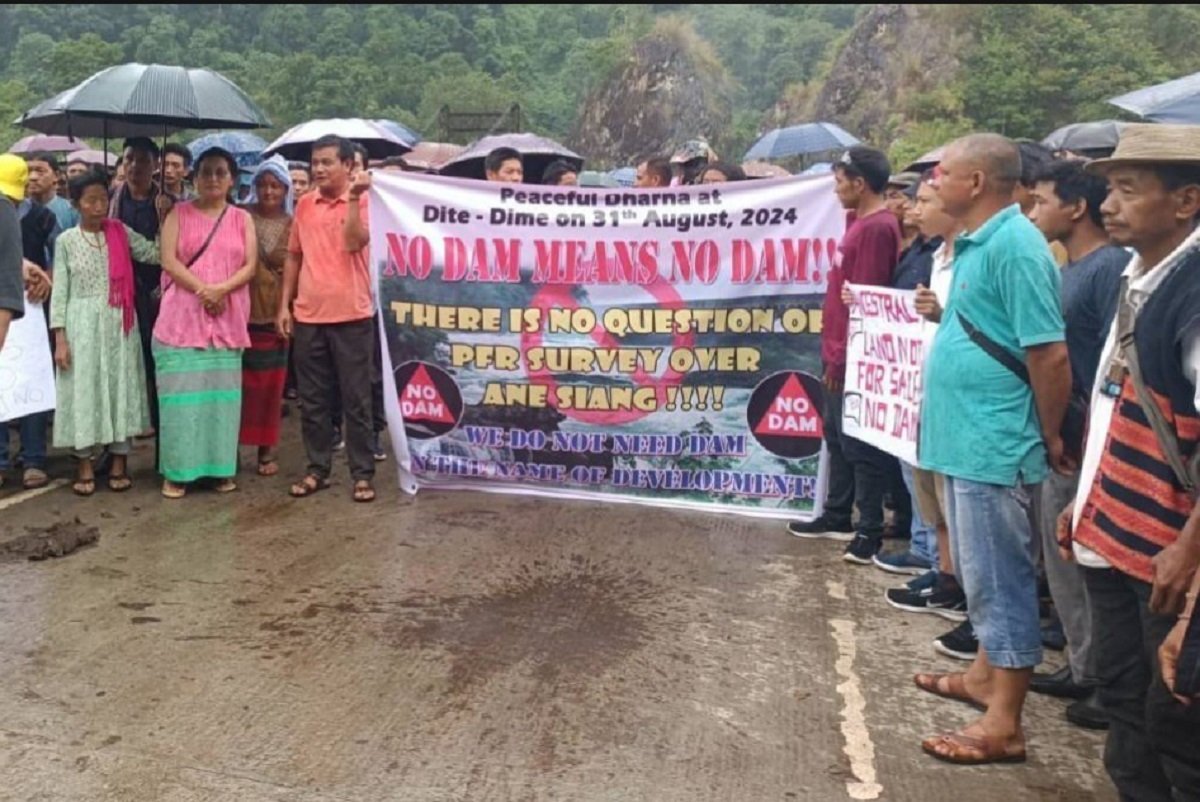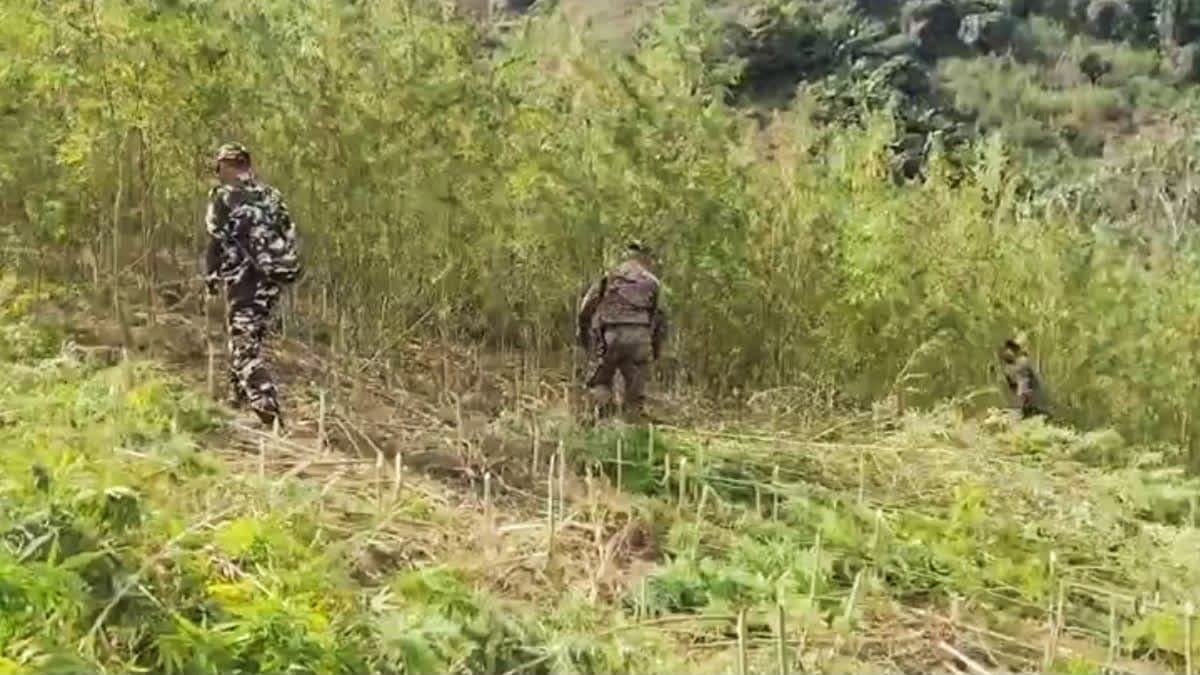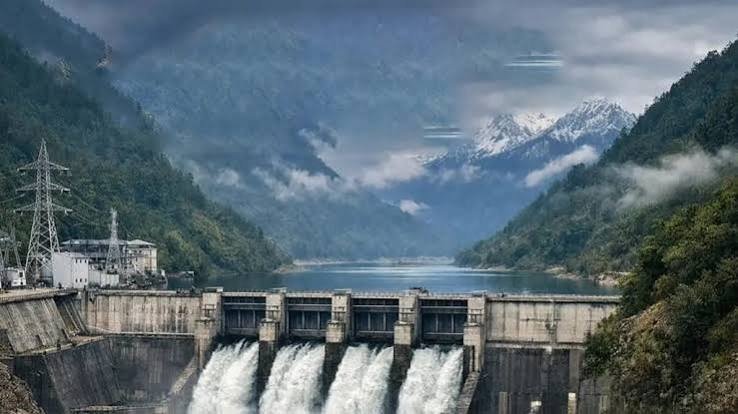
Amid ongoing indigenous protests against massive dam developments in the region, the 1,000-MW Naying Hydro Electric Project on the Siyom River—a key tributary of the Siang River—has secured crucial Stage-I in-principle forest clearance from the Union Environment Ministry’s Forest Advisory Committee (FAC). Operated by the North Eastern Electric Power Corporation Limited across Arunachal Pradesh’s Shi Yomi and Siang districts, the proposed project will require the diversion of approximately 470 hectares of unclassed forest land and the felling of more than one lakh trees. Minutes from the FAC meeting held on October 23 reveal that the project site falls within a High Conservation Value zone composed of very dense forest patches located near the Yorde-Rabe Supse and Mouling Wildlife Sanctuaries. Official site inspection reports warn that clearing this habitat will severely fragment corridors for endangered and endemic wildlife, disrupting traditional animal migration patterns across the river basin. Furthermore, the project’s Environmental Impact Assessment indicates that constructing the 138-meter-high concrete gravity dam will permanently alter aquatic ecosystems and disrupt breeding cycles for 20 local fish species, creating irreversible environmental damage. The project is expected to impact over 400 families across 12 villages, intensifying socio-political friction in a state already grappling with fierce resistance against the 11,200-MW Siang Upper Multipurpose Project (SUMP). Local organizations such as the Siang Indigenous Farmers’ Forum have condemned the lack of community consultation and the deployment of paramilitary forces across East Siang, Siang, and Upper Siang districts to suppress opposition. While indigenous communities warn that expanding hydropower infrastructure threatens their ancestral lands, cultural heritage, and territorial rights, the FAC highlighted the project’s economic potential, emphasizing that the generated electricity will meet growing power demands across the North-East and supply surplus energy to other Indian states.